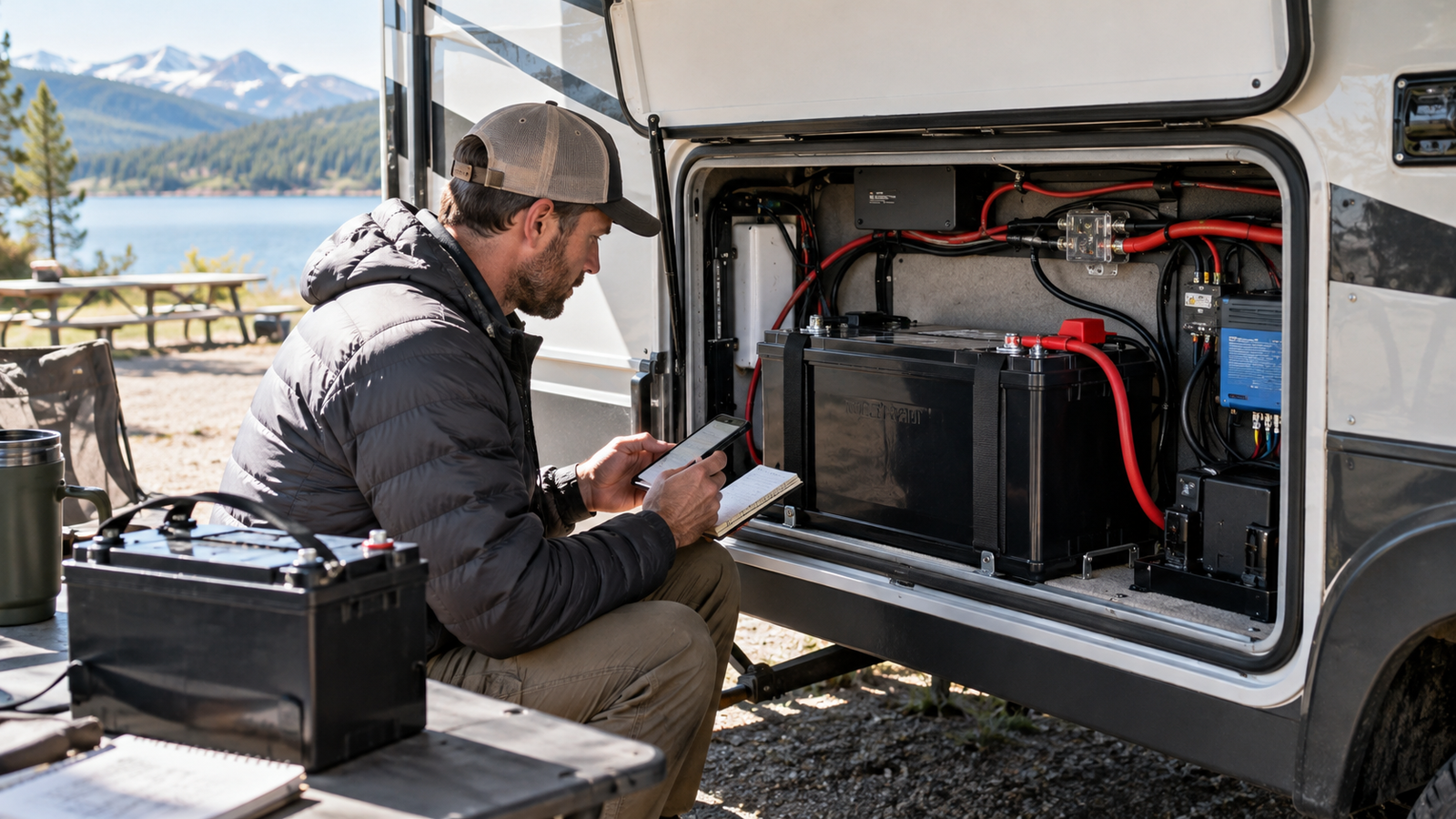
LiFePO4 Battery Charger Guide: Voltage, Amps, Profiles and Compatibility
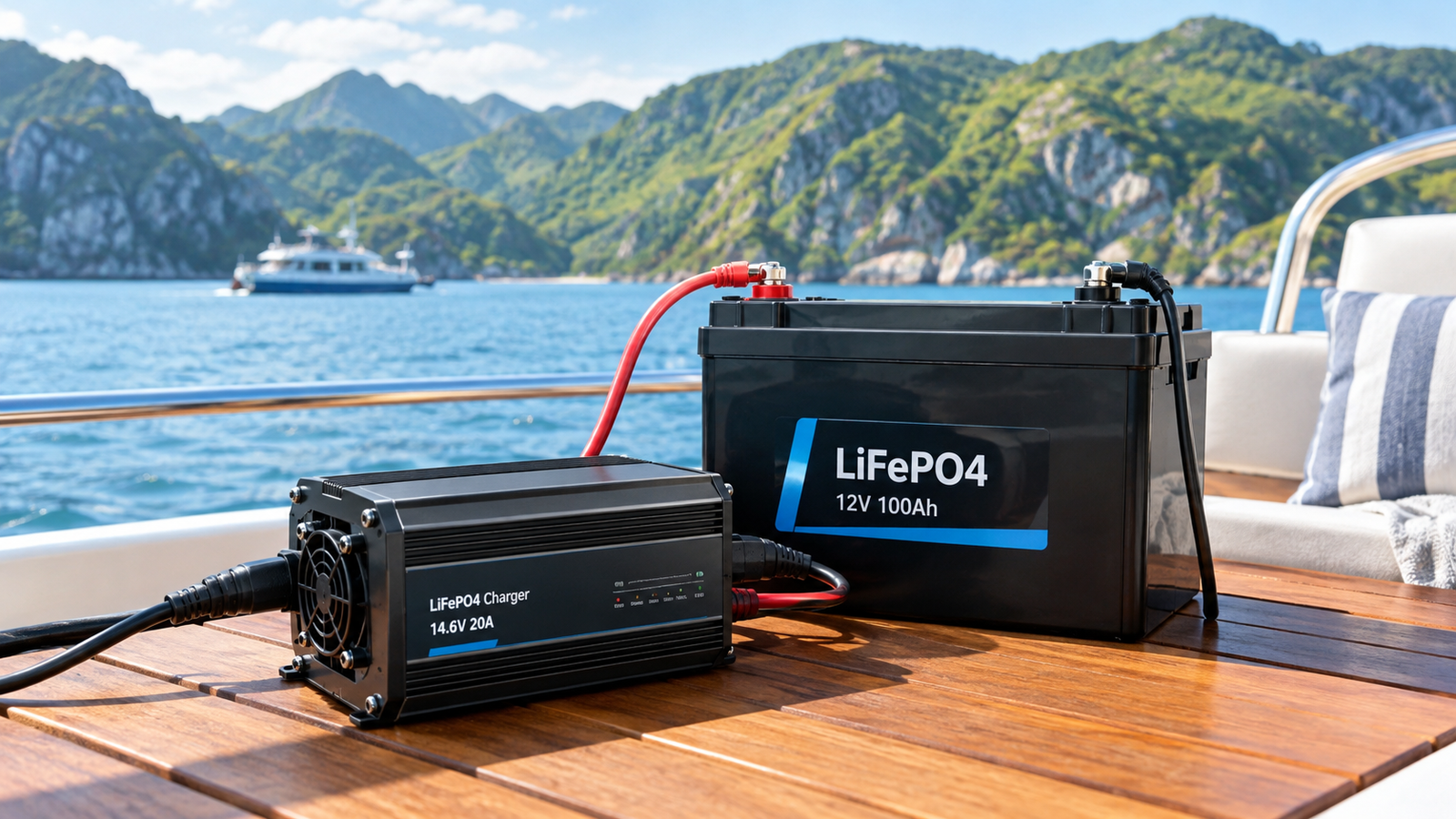
Short answer: The right LiFePO4 battery charger is the one whose charging voltage, current limit, charge algorithm, temperature handling and physical connections are explicitly permitted for your exact battery model. A charger advertised as “12V lithium” is not automatically suitable for every 12V pack. Check the battery manual first, then match the charger—not the other … Read more
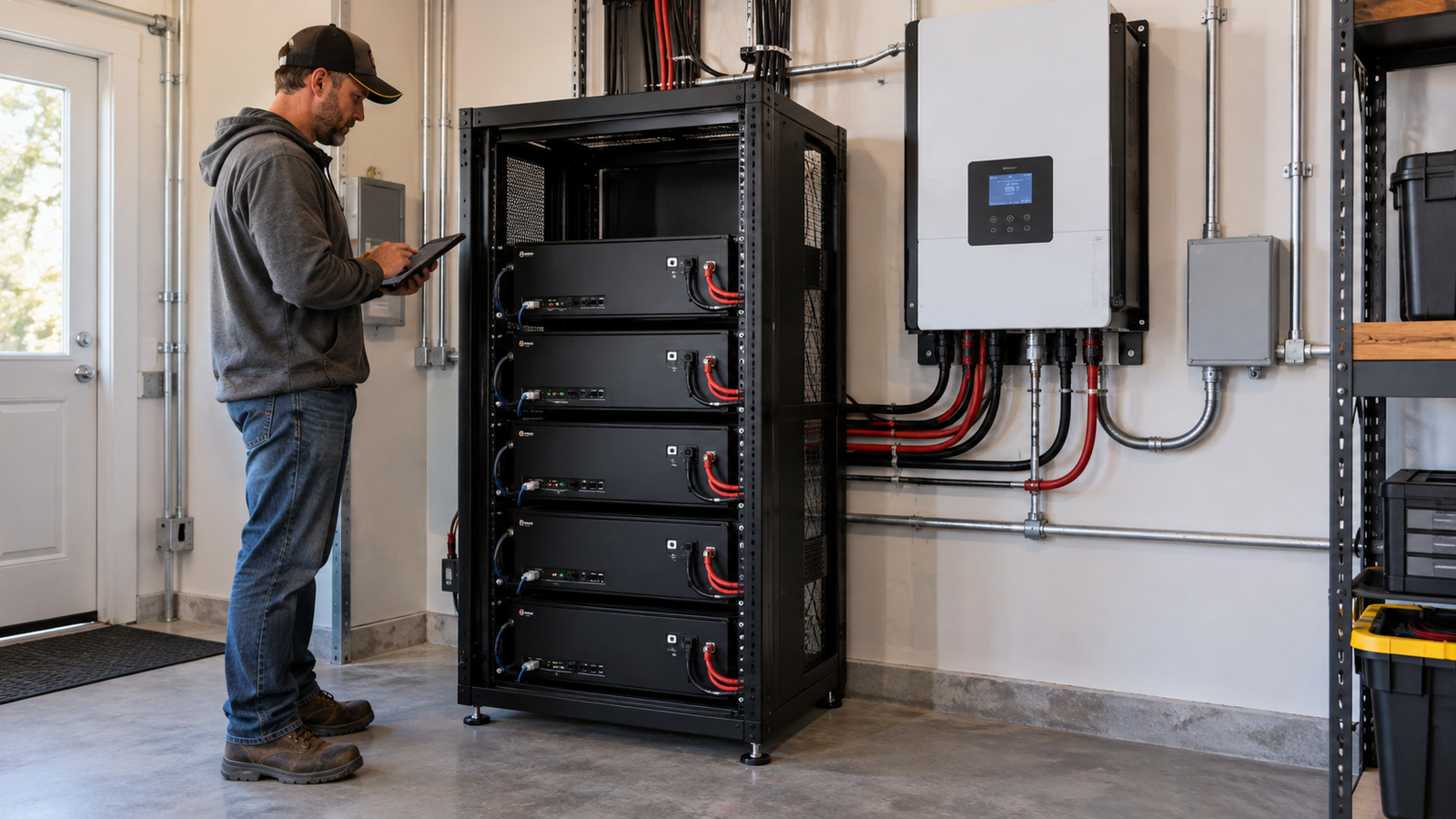
Server Rack Battery Guide: 48V Inverter Compatibility, BMS and Expansion

Short answer: A server rack battery is a sensible way to package modular LiFePO4 storage only when its actual DC operating window, BMS current, inverter protocol, parallel-bank configuration and installation requirements are documented for your equipment. A 48V label, a matching RJ45 connector or the presence of CAN/RS485 ports is not proof that an inverter … Read more

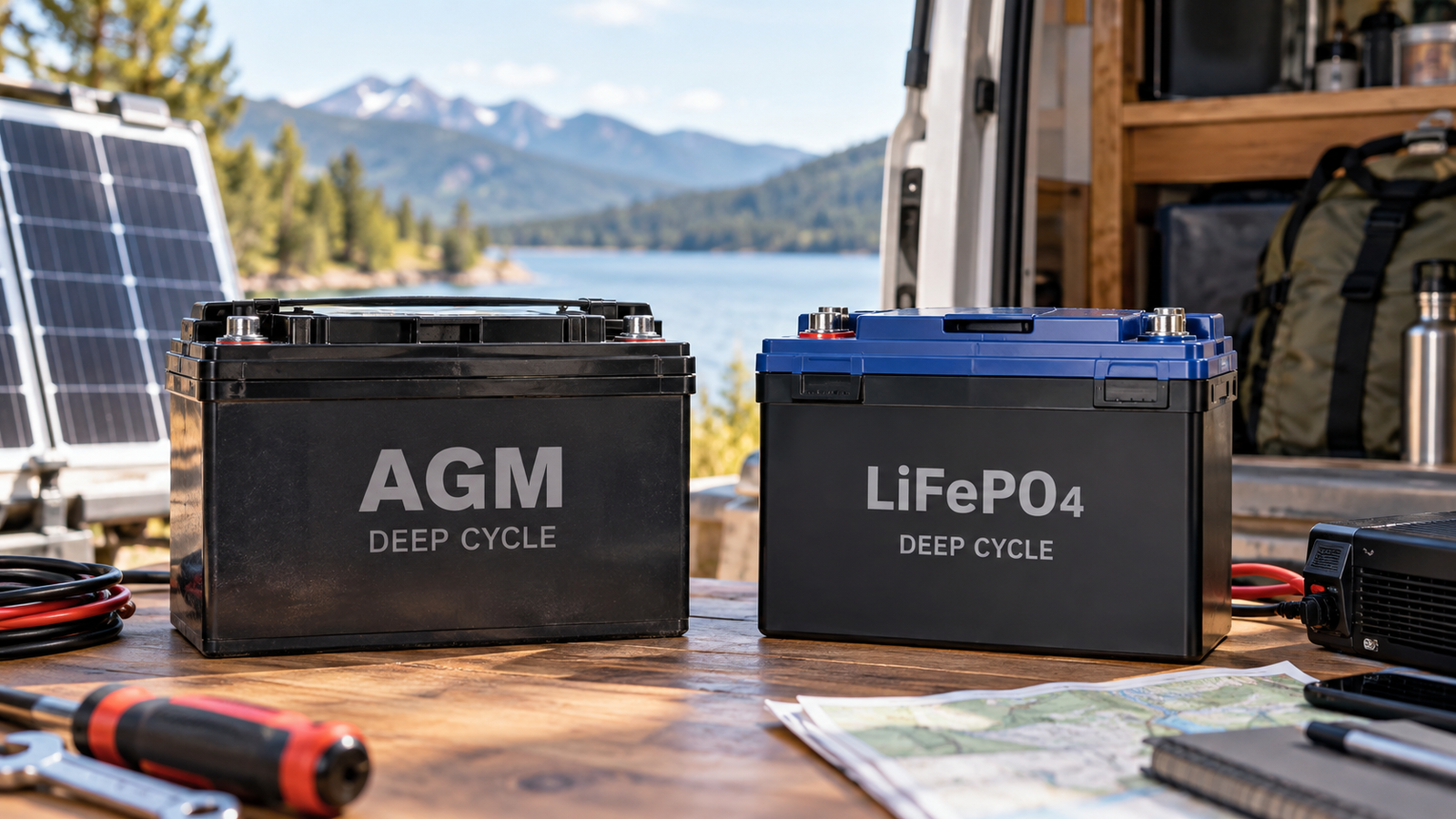
LiFePO4 vs AGM Batteries: Usable Energy, Deep Cycles and Upgrade Costs

Short answer: In the LiFePO4 vs AGM decision, lithium iron phosphate often offers more working energy for a given nominal amp-hour rating and much lower carrying weight. But it is not an automatic financial upgrade. AGM can be the rational choice if you already have a serviceable lead-acid charging system, need a documented specialist AGM … Read more

WattCycle Battery Review (2026): Models, 314Ah Revisions and Buying Risks

Short answer: WattCycle is worth considering when its specific battery fits your charging equipment, continuous load and service expectations. It is not a brand we would buy solely on an advertised amp-hour number. The most consequential issue is traceability: in June 2026, WattCycle confirmed that two internal-wiring production versions of its 12V 314Ah Mini Basic … Read more

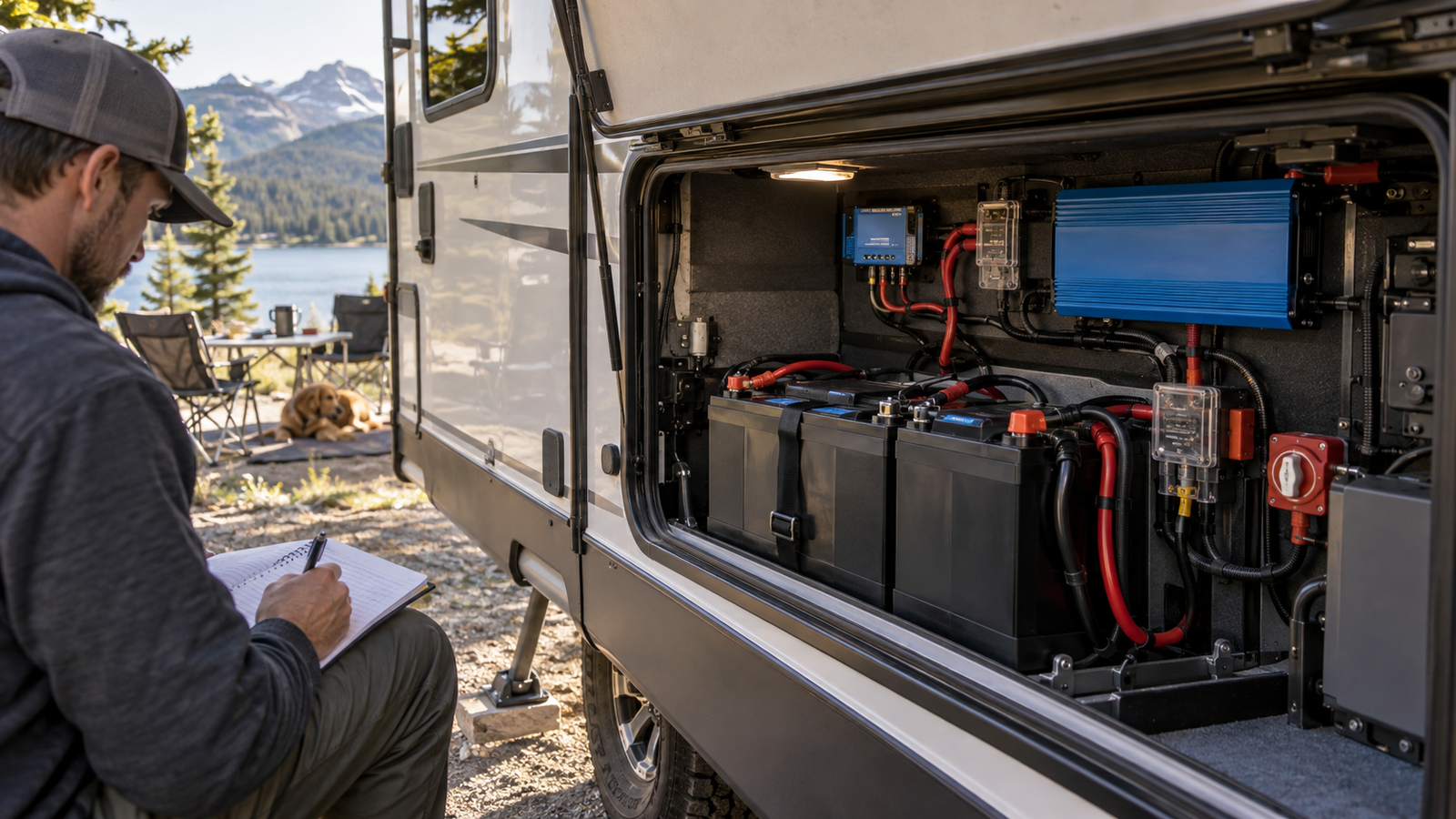
LiFePO4 Battery for RV: Size the Bank, Inverter and Charging System

The right LiFePO4 battery for an RV is the one that powers your measured daily loads, supplies your largest simultaneous load, charges correctly from every source and stays within safe temperature and installation limits. Amp-hours alone cannot answer those four questions. A 100Ah battery may run a light 12V system but still be wrong for … Read more

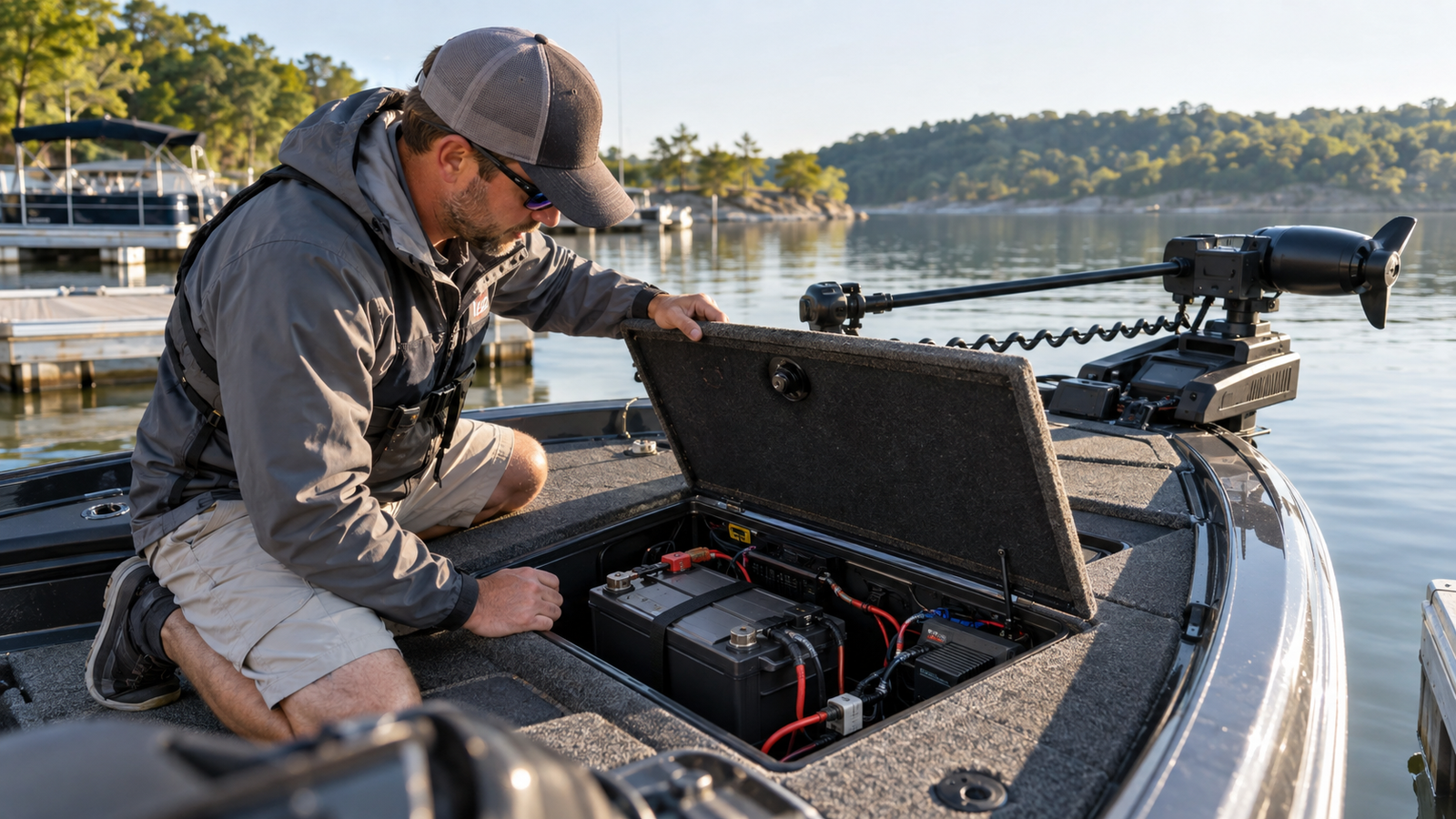
Lithium Trolling Motor Battery: 12V/24V/36V BMS and Charger Guide

Do not select a lithium trolling motor battery by thrust rating or amp-hours alone. Start with your exact motor’s required system voltage and maximum current draw; then check the battery’s continuous BMS output and overcurrent trip limits, the charger’s battery-specific profile, and whether the battery is designed for marine deep-cycle or engine-start duty. A battery … Read more